
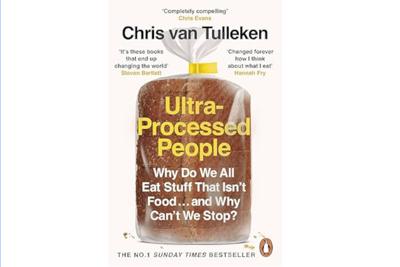
Ultra-Processed Food: Why It’s Sneakily Taking Over Our Plates (and How to Take Back Control)
I recently read Ultra-Processed People by Chris van Tulleken, and it made me look at modern food in a completely different way. Not in a panic-inducing, “never eat this again” kind of way—but in a wow, no wonder we feel the way we do kind of way.
The simple idea is this:
A huge amount of what we eat today isn’t really “food” in the traditional sense. It’s ultra-processed food (UPF)—products engineered to taste amazing, last forever, and keep us coming back for more. Think chips, packaged snacks, ready meals, sweetened yoghurts, protein bars, fast food… the list is long.
What surprised me most is how UPFs can quietly affect how we feel—our hunger, mood, sleep, digestion, and cravings. Van Tulleken even tried eating mostly UPF for a month, and his body reacted fast. More hunger. More snacking. Poor sleep. Low mood. And he didn’t feel himself until he went back to eating real food again.
It was a good reminder that our bodies actually want simple, recognisable ingredients—things our grandparents would recognise as food.
But this isn’t about guilt or perfection. UPFs are everywhere for a reason: they’re convenient, cheap, and heavily marketed. Most of us eat them without even realising it.
What we can do—without turning life upside down—is bring a bit more awareness back to the plate.
So What Can We Do? (Without Going Extreme)
Eat more real food
Not in a strict or saintly way—just more meals that start with ingredients, not a barcode.
Cook a little more often
Even a simple stir-fry, omelette, or soup reconnects you with how food should taste and feel.
Read labels when something feels suspicious
If the ingredient list is long and confusing, it’s probably UPF.
Notice how certain foods make you feel
We all have different tolerances. What matters is listening to your own body.
Aim for better, not perfect
Small shifts make a big difference. This isn’t a diet—just a gentle rebalancing.